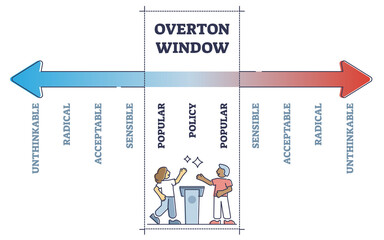
To be fair, the authors start strong—in the second sentence of the second paragraph—by correctly identifying the primary reason for high prescription drug costs in the United States: “In the US, brand-name drug manufacturers are allowed to set prices during periods of patent-protected market exclusivity.” And, promisingly, the next sentence recognizes the economic reality of the end of the patent monopoly privilege: “When exclusivities end, generic competition from multiple manufacturers lowers prices….” But, sadly, Lalani et al. then decline to connect the dots with an immediate call for the abolition of intellectual property laws. The conclusion of the paper is also unsatisfying, for though the authors note the need for “system-wide policy reforms,” their feeble notion of reorganization involves “expanding Medicare price negotiation and out-of-pocket limits introduced by the Inflation Reduction Act to all patients in the US.” This tells us that libertarian efforts to abolish IP in 2026 should focus on moving the Overton window for this issue from the “unthinkable/radical” stages to the “acceptable/sensible” stages via the following communication strategies: Advocate the most radical version of the idea, build a grassroots movement by framing the conversation with storytelling, and publish scholarly research (at research centers such as the Mises Institute).
Author: Don Stacy II
Published at: 2026-03-20 22:30:41
Still want to read the full version? Full article