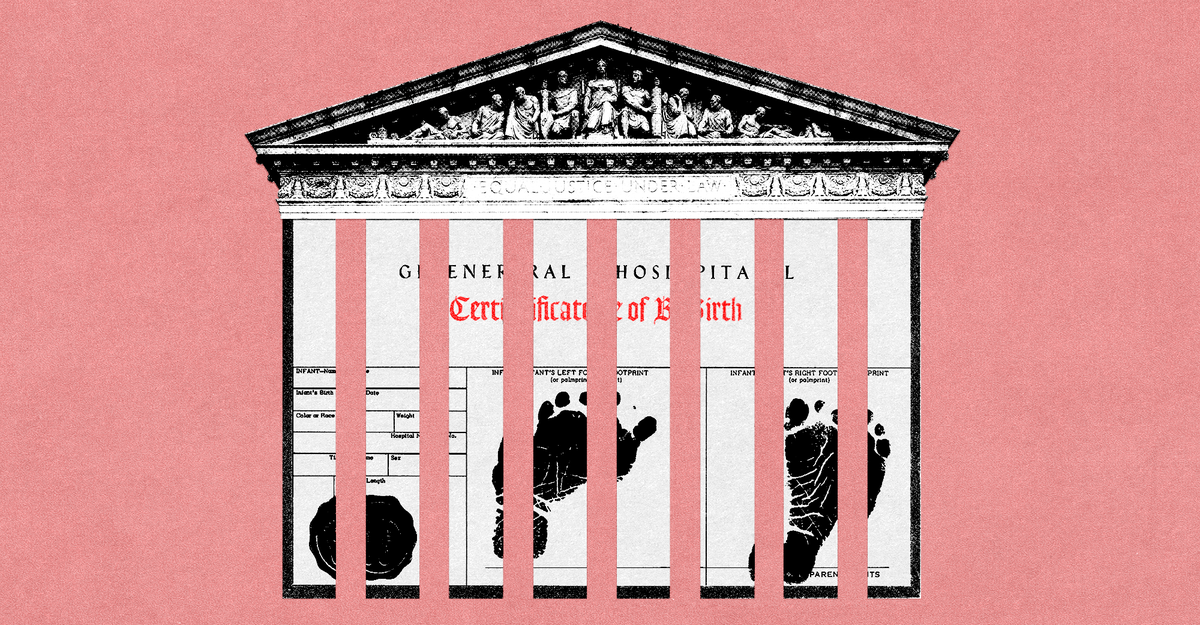
Ratified after the Civil War, the amendment establishes that “all persons born or naturalized in the United States, and subject to the jurisdiction thereof, are citizens of the United States.” It repudiated the Supreme Court’s notorious 1857 ruling in Dred Scott, which barred Black people from citizenship and created a permanent underclass of people without access to the same rights offered to other Americans. But as the Court recognized in Wong Kim Ark, the amendment’s framers intended to extend the grant of citizenship to everyone except a small number of people who were born on American soil and yet remained outside U.S. “jurisdiction”: the children of diplomats and invading forces, and—because of the unique circumstances of Native Americans—members of Native tribes. The Court’s apparent lack of interest in rolling back the Fourteenth Amendment bodes well for the durability of the Constitution, the integrity of the judiciary, and, not least of all, the lives of the many people who have depended and will depend on its offer of citizenship.
Author: Quinta Jurecic
Published at: 2026-04-01 21:26:49
Still want to read the full version? Full article