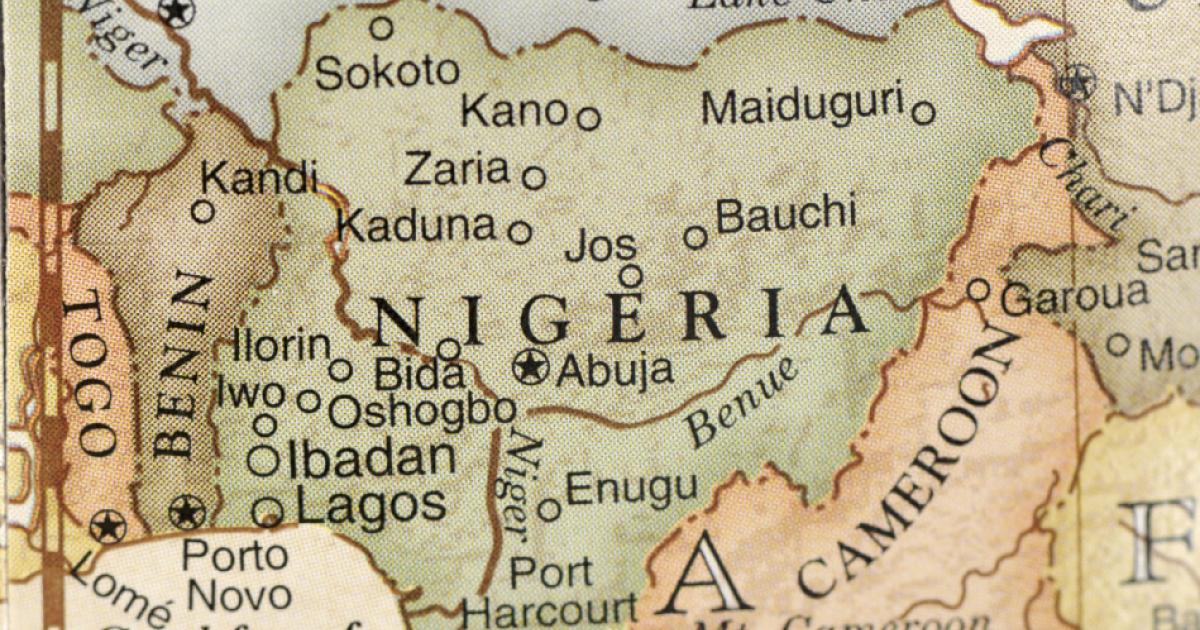
The military conquests of the Sokoto caliphate in the 19th century and subsequent period of British indirect colonial rule left a legacy of suspicion among Christian Nigerians in the Middle Belt states and the south against the country’s Muslim-majority Hausa and Fulani populations in the north, with the former generally fearing political domination by the latter. While it is beyond the scope of this article to analyze and litigate every communal conflict in Nigeria, this context is relevant for the purposes of this article insofar as it can be summarized as follows: Nigeria is facing many different conflicts, and despite the presence of broader religious tensions in the country, many of these conflicts are not directly about religion per se and more about ethnicity, land, resources, and political ambition. The scholarship on the Boko Haram conflict has amply documented how the movement emerged as a reaction to the widespread religious tensions of the first decade of the Fourth Republic (1999 to present), specifically as a radical faction of the broader Salafist movement that grew increasingly critical of the northern Nigerian political and religious establishment for failing to implement full sharia law without any exemptions.
Author: December 9, 2025
Published at: 2025-12-09 00:00:00
Still want to read the full version? Full article