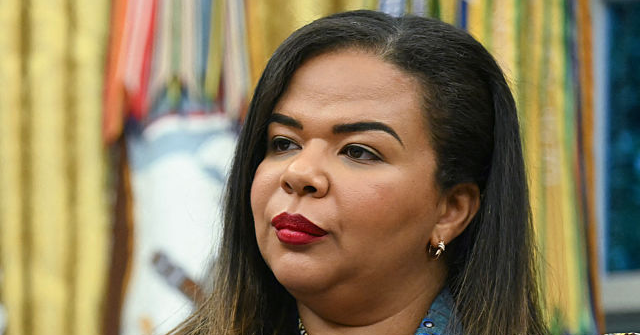
Whenever I had the privilege of being in his presence, and of hearing him speak about this conflict, the first point that he mentioned was that it’s been ongoing for 30 years and it’s cost more than 10 million lives — and I think this is the driving force behind it, the fact that there is a sincere commitment to put an end to unfathomable human suffering and we have consistently seen that the U.S., of course, it’s not always obvious to the broader public but we have consistently seen that the U.S. has been committed to this issue through the efforts that they have deployed, through the teams that they have deployed, through the different mechanisms that have to be working behind the scenes. This is why the deterioration of the situation in South Kivu and the latest attacks of M23 and the Rwandan defense forces are for us a frustrating setback because every step we come closer to peace is a step we come closer to actually building a strong economy, to actually investing in human capital, to investing in transformative industries, and to investing in a robust relationship with the U.S. that is based on mutual interests and that ensures that we all win equally.” When we look at it from a perspective of the potential of what it means to invest in a successful exploitation of these natural resources and these minerals, I think one critical aspect — and this is where we’re very keen to work together with the U.S. — is that we are shifting our economy away from one that is based just on extraction and export to one that is based on extraction, adding value on-site, and then exporting and finding exactly, refining, and at least initial steps of transformation before these natural resources are exported.
Author: Matthew Boyle
Published at: 2025-12-23 20:31:33
Still want to read the full version? Full article