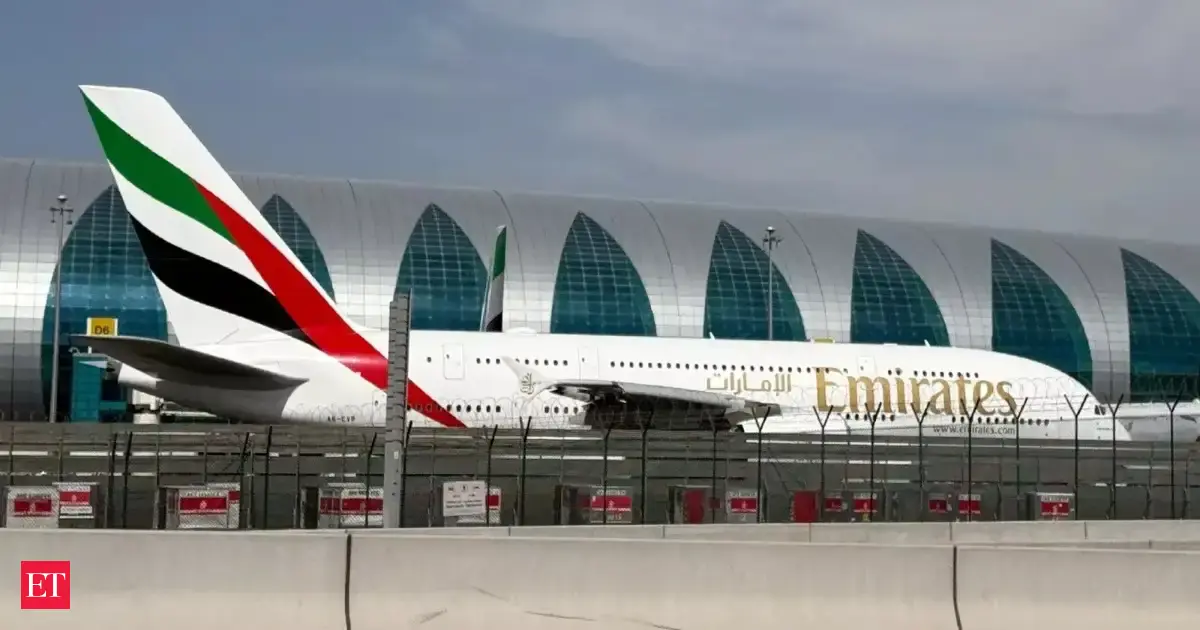
Malls are busy, restaurants are full and iftar gatherings are taking place across the city, as the United Arab Emirates (UAE) marks nine days on Sunday since the first missile was intercepted over its skies.As regional tensions intensify--the UAE has been targeted with over 1,400 Iranian missiles and drones since the start of the war, more than all the other Gulf states combined--a cautious calm prevails.A day after debris hit the city's fourth tallest building in Dubai Marina, the 88-storey Hiranandani Tower Marina 23, beaches were packed, and restaurants reported their usual Sunday waiting lists. Those providing such services include Oman Air and Salam Air — bus transfers from Sharjah’s Al Jubail Bus station to Muscat International Airport, and flights to the final destination.Road transport services from Dubai to Muscat have mushroomed, with some charging as much as 550 dirhams (₹ 13,800) per person, highlighting “limited” availability.Some operators are offering packages that include bus transfers, Oman visas, flight tickets and basic provisions. Although Dubai and Abu Dhabi have restored flight operations, they remain intermittent.Emirates resumed operations on Saturday after flights were suspended February 28 following disruptions caused by debris from Iranian missiles intercepted over the Dubai airport.For many companies evacuating staff, chartered flights remain the preferred option.Most local companies and regional conglomerates, including Al Shaya, KAAF Investments, Emaar, Majid Al Futtaim, Dubai International Financial Centre, Damac and Nomac among others have resumed in-person work, signalling continuity in business activity.
Author: Dilasha Seth
Published at: 2026-03-09 00:00:00
Still want to read the full version? Full article