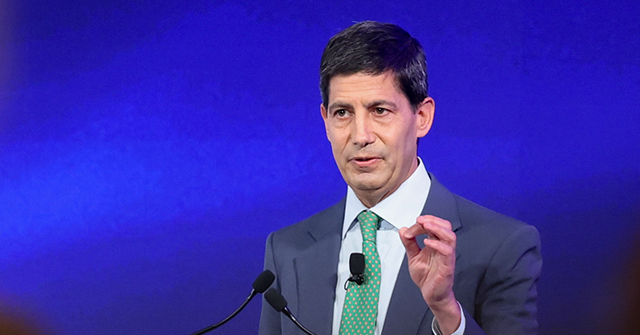
The dominant models employed at the Fed and establishment macroeconomists are, in Warsh’s assessment, “at best, a way station between Ptolemy than Copernicus.” They systematically underestimate the importance of global economic developments, largely ignore the financial sector despite the 2008 crisis, and assume markets are efficiently priced, at least when prices are rising. The Fed should “focus our countercyclical policies on the left side of the decimal point, not the right side.” That is, the Fed should be responding to large, persistent changes in economic activity, not “fiddling with measures of the NAIRU” to explain away inconsistent data. The Fed’s QE worked through a “wealth effect” — and “the wealth effect works best for the wealthy.” While household wealth increased impressively “for those who already possessed financial assets,” Warsh noted that “about half of American households have no accumulated balance sheet wealth.” QE was a non-entity for most Americans whose purchasing power and wealth is less exposed to the flood of liquidity it created.
Author: John Carney
Published at: 2026-02-04 22:52:59
Still want to read the full version? Full article