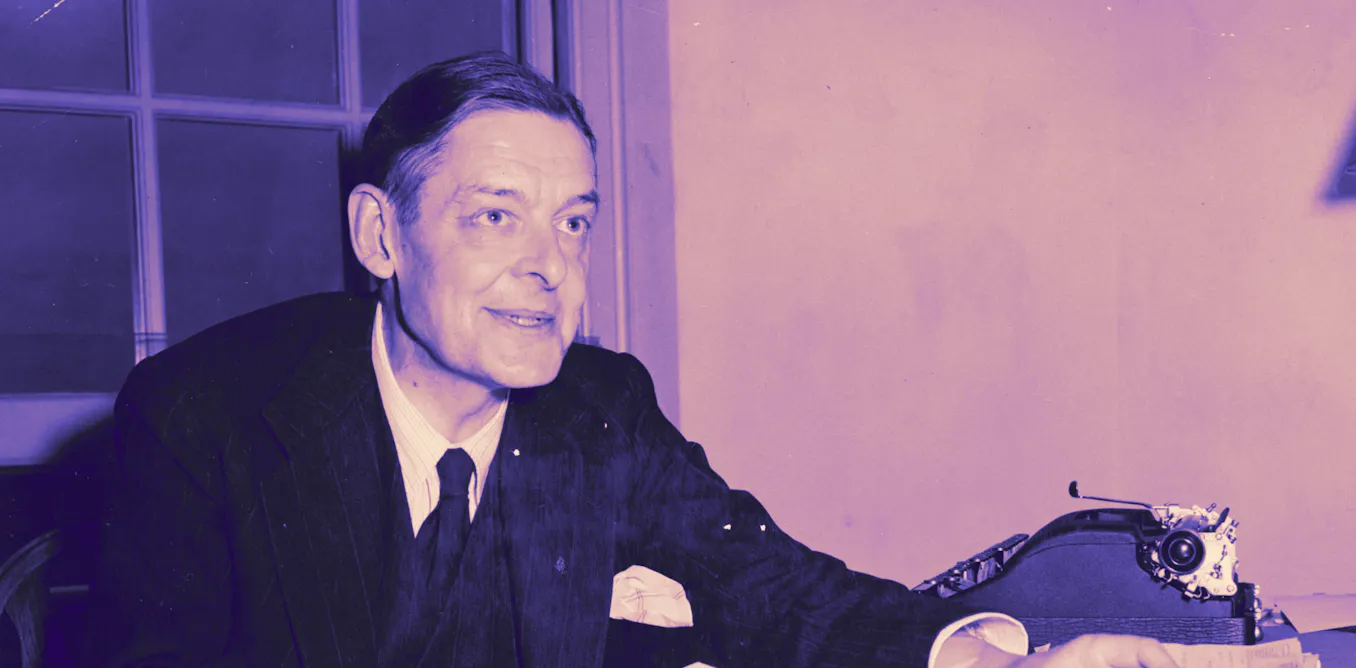
The celebrated author of The Waste Land (1922) – that literary paragon of abject nihilism – had pivoted away from the liberal, philosophical underpinnings of his upbringing and education, the urbane prejudices of his peers, and the near-blasphemous despondency of his marriage, to become a man of faith. The figures of Kurtz and Fawkes – as well as Shakespeare’s Brutus, from whose mouth the phrase “hollow men” is directly taken – are keys to understanding many of the impulses and themes driving not only the poem but the mindset that shaped it. The source of his despair was the spiritual paralysis and cultural decay that he had come to associate, through personal experience, with the the intellectualism of the modern era.
Author: Luke Johnson, Senior Lecturer in Creative Writing, University of Wollongong
Published at: 2025-11-26 23:04:45
Still want to read the full version? Full article